
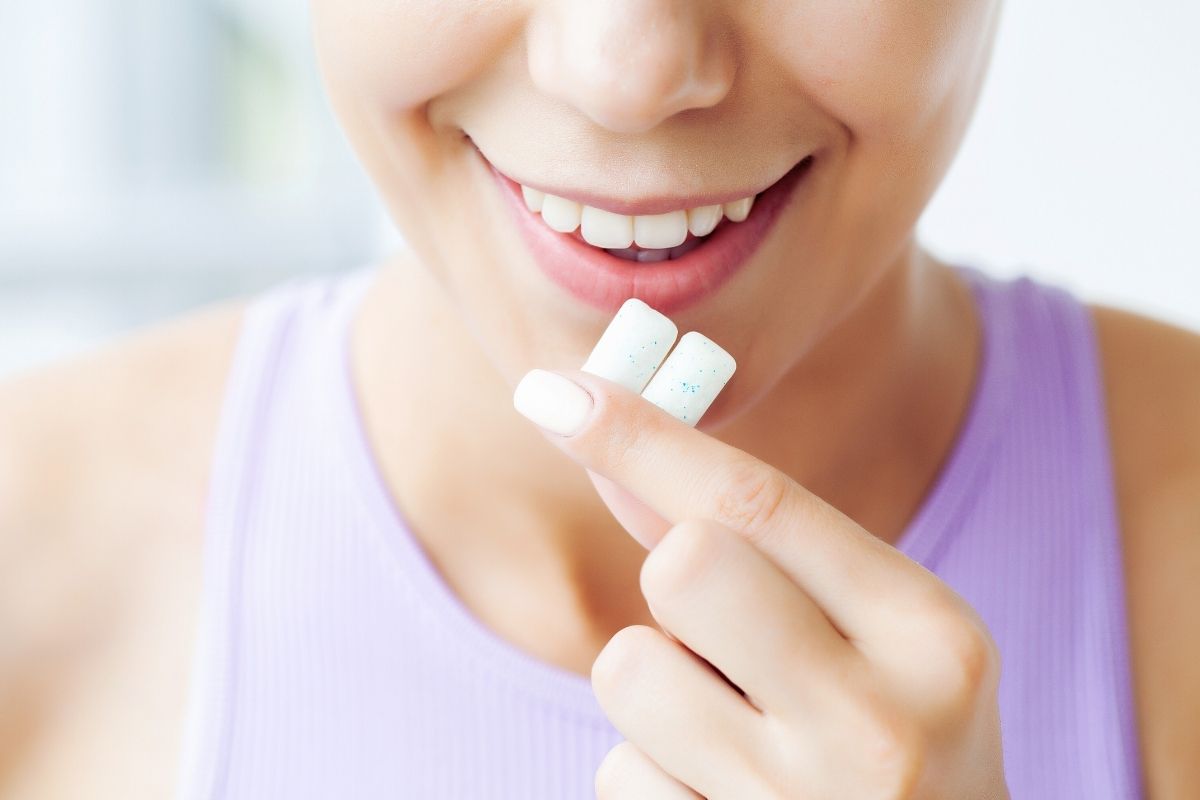
Chewing gum is something many people enjoy after a meal or while on the go. It’s a familiar habit that freshens breath and can even help reduce snack cravings. But beyond convenience, chewing sugar-free gum can quietly support your oral health. Understanding how this simple act helps your teeth and gums can guide smarter choices for everyday care.
Even small routines can make a lasting difference for your smile. Chewing sugar-free gum is one of those small actions that can work alongside brushing, flossing, and regular dental visits when done thoughtfully and in moderation.
How Chewing Gum Affects Your Mouth
When you chew gum, your body naturally produces more saliva. This extra saliva is one of the mouth’s most effective natural defenses against cavities. It helps neutralize acids that form when bacteria break down food, and it rinses away particles that might otherwise stay behind.
Saliva also carries important minerals like calcium and phosphate that strengthen tooth enamel. In this way, chewing gum supports your mouth’s ability to protect itself between meals, though it should never replace brushing or flossing.
The Science Behind Sugar-Free Gum and Cavity Prevention
The benefits of chewing gum depend entirely on the kind you choose. Sugar-free gum, particularly that sweetened with xylitol, can help limit the growth of bacteria such as Streptococcus mutans, which are known to cause cavities.
Xylitol differs from regular sugar because bacteria cannot use it as a food source. As a result, acid production decreases, and the environment inside your mouth becomes less favorable for decay. Research and organizations like the American Dental Association (ADA) have noted that sugar-free gum can help reduce acid attacks and support enamel health when used after meals.
Still, chewing gum should be seen as an addition, not a substitute, for brushing, flossing, and regular dental care.
Choosing the Right Gum for a Healthy Smile
If you plan to include gum in your daily routine, look for:
- Sugar-free gum only. Gum with sugar can increase the risk of decay.
- Ingredients like xylitol or sorbitol. These promote saliva flow without feeding bacteria.
- The ADA Seal of Acceptance. This confirms the gum meets dental safety and quality standards.
Chewing gum for about 20 minutes after meals can help neutralize acids and wash away debris. However, moderation is important, as excessive chewing may lead to jaw soreness or mild stomach discomfort, especially for those sensitive to artificial sweeteners.
When Chewing Gum Might Not Be Ideal
While sugar-free gum can be beneficial, it isn’t suitable for everyone. Those with jaw pain, TMJ disorders, or dental appliances may find chewing uncomfortable. In such cases, rinsing with water or using an alcohol-free mouth rinse may be a better way to freshen up after meals.
Even helpful habits can become less effective when overdone. Chewing gum works best as part of a balanced oral care routine rather than an all-day activity.
Healthy Habits That Matter Most
Chewing gum can support your oral health, but your daily care routine remains the most important factor in preventing cavities. Focus on:
- Brushing twice a day with fluoride toothpaste.
- Flossing daily to remove plaque and food particles.
- Limiting sugary foods and drinks that promote acid buildup.
- Scheduling regular dental checkups for cleanings and preventive care.
These habits provide the foundation for strong, healthy teeth. Chewing gum can simply support these efforts when used wisely.
Making Preventive Care a Part of Everyday Life
As a dental team based in Pflugerville, we understand how everyday habits can support long-term oral health. Combining simple actions, like chewing the right sugar-free gum after meals, with regular brushing, flossing, and dental checkups helps keep teeth strong and healthy. These small, consistent steps complement each other and provide an extra layer of protection against cavities.
Small Habits, Big Impact
Chewing sugar-free gum can be a helpful addition to your daily oral care routine by stimulating saliva flow and reducing acids in the mouth after meals. While it does not replace brushing or flossing, it works alongside these habits to support overall oral health.
For residents of Pflugerville and nearby areas, incorporating small, preventive steps today can make a meaningful difference for your smile in the future. If it’s time for your next checkup, contact our office to schedule an appointment. By taking these small, consistent steps, you can support a healthy, strong smile that lasts for years.