
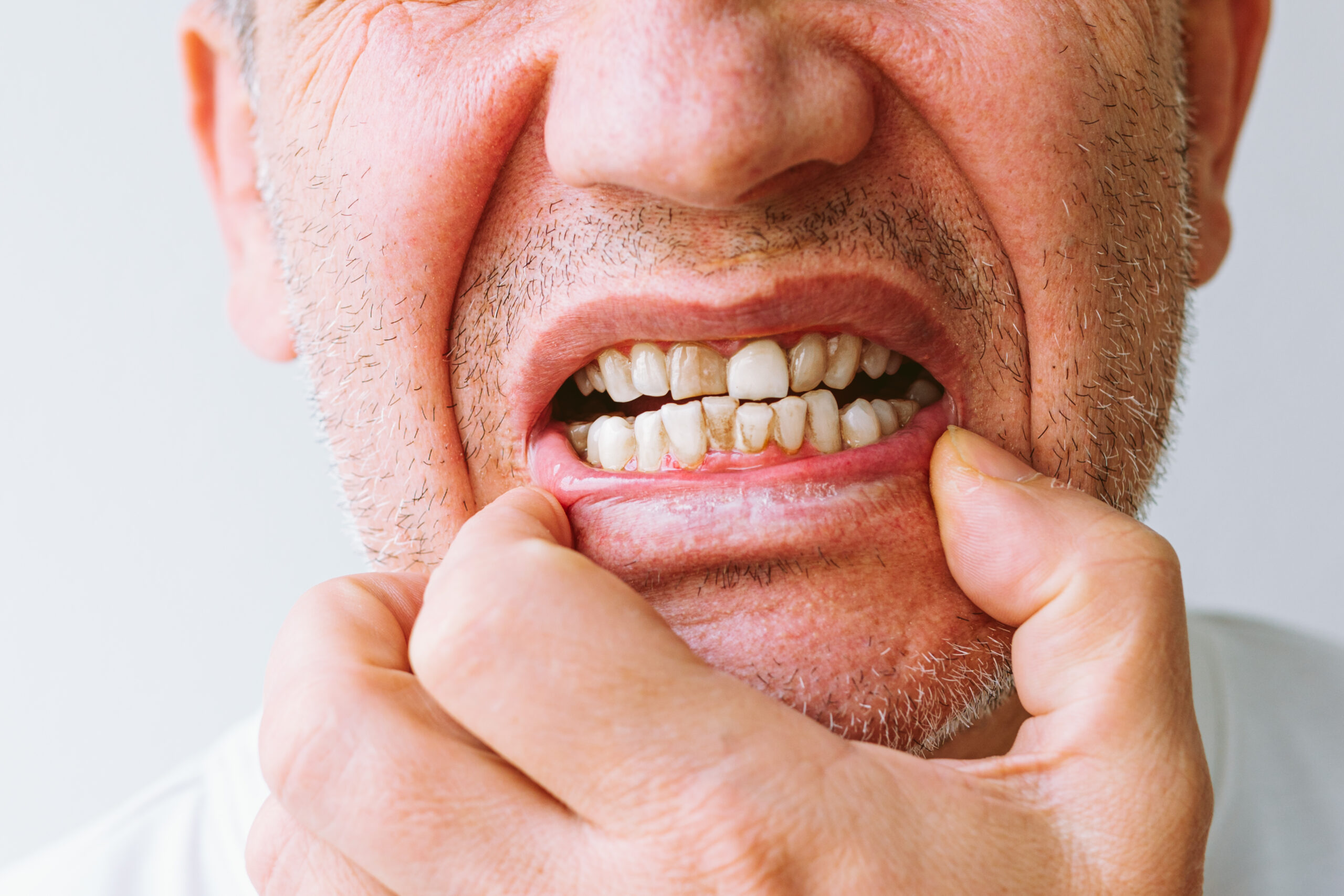
It’s a common concern we hear during routine visits—patients notice small dark spots on their teeth that weren’t there before, or areas that stand out more in photos or conversations. Sometimes these spots don’t improve even with consistent brushing, which can feel frustrating, especially before a big event, a work presentation, or a family gathering.
For many individuals exploring cosmetic smile improvements in the Pflugerville area, understanding the cause of these spots is the first step toward improving overall appearance. In many cases, options like professional teeth whitening can help address surface-level discoloration safely and effectively, but not all spots are the same—and treatment depends on why they formed in the first place.
What Causes Dark Spots on Teeth?
Dark spots can develop for a variety of reasons, and not all of them indicate a serious issue. Some of the most common causes include:
- Surface stains: Frequent consumption of coffee, tea, red wine, or tobacco can leave behind pigmented residue on enamel.
- Tartar buildup: When plaque hardens over time, it can appear yellow, brown, or even black near the gumline.
- Enamel wear: As enamel thins, the darker inner layer of the tooth (dentin) may become more visible.
- Fluorosis: Excess fluoride exposure during early development can cause white or dark spots on teeth.
- Early decay: In some cases, a dark area may signal the beginning of a cavity.
Each of these causes looks slightly different clinically, which is why a proper evaluation matters before choosing a treatment approach.
Are Dark Spots Always a Sign of a Dental Problem?
Not necessarily. Some discoloration is purely cosmetic and doesn’t affect the health of the tooth. For example, surface stains or mild fluorosis may not require restorative care.
However, when spots are accompanied by rough texture, sensitivity, or changes in shape, it may indicate early decay or structural changes. This is where early assessment becomes important. Identifying whether a spot is superficial or structural helps guide the most appropriate and conservative solution.
Professional Teeth Whitening for Surface Stains
For many patients, dark spots are simply the result of external staining. In these cases, professional whitening can be a helpful first step.
Unlike over-the-counter products, in-office or dentist-supervised whitening is designed to:
- Penetrate stains more effectively
- Even out overall tooth color
- Protect enamel during the process
This option works best for individuals with generalized discoloration or mild staining. It’s also commonly chosen by patients preparing for professional or social events, where a brighter, more uniform smile can make a subtle difference.
Cosmetic Bonding for Persistent Dark Spots
When a dark spot is localized and doesn’t respond to whitening, cosmetic bonding may be considered.
This involves applying a tooth-colored material to the affected area to:
- Cover small areas of discoloration
- Smooth out minor imperfections
- Blend seamlessly with surrounding enamel
Bonding is a conservative option, meaning it typically requires minimal alteration to the natural tooth. It’s often recommended for small, isolated spots rather than full-smile changes.
Veneers for Deeper or Resistant Discoloration
Some types of discoloration—especially those related to internal staining or enamel defects—don’t respond well to whitening or bonding alone.
In these situations, veneers may be discussed as a longer-term solution. Veneers are thin, custom-made shells placed over the front of the teeth to improve:
- Color consistency
- Shape and symmetry
- Overall smile balance
They’re typically considered when discoloration is more pronounced or when multiple cosmetic concerns are present at once.
How a Cosmetic Dentist Evaluates Tooth Discoloration
Before recommending any treatment, a thoughtful evaluation is essential. This process usually includes:
- Identifying the cause of staining: Determining whether the discoloration is external or internal
- Examining enamel health: Assessing thickness, strength, and surface condition
- Matching treatment to severity: Choosing the least invasive option that achieves the desired result
- Understanding patient goals: Some patients prefer subtle improvements, while others want more noticeable changes
- Taking a conservative approach first: Starting with reversible or minimal treatments whenever possible
This type of planning helps ensure that cosmetic improvements support both appearance and long-term oral health.
A Thoughtful Next Step
If you’ve noticed dark spots that don’t seem to improve on their own, it may be helpful to understand what’s causing them before deciding on treatment. Even small changes in tooth color can have different underlying reasons, and addressing them appropriately can make a meaningful difference in how your smile looks and feels.
You’re welcome to visit our dental office in Pflugerville to learn more and have a conversation about what you’re seeing. A personalized evaluation can help clarify whether the concern is purely cosmetic or something that may benefit from early care.
FAQs
What causes dark spots that won’t go away with brushing?
Spots that persist despite good oral hygiene are often caused by tartar buildup, internal staining, or early enamel changes. These typically require professional evaluation and treatment.
Can teeth whitening remove all types of stains?
Whitening is effective for many surface stains but may not work on deeper or internal discoloration. In those cases, other cosmetic options may be considered.
Is it safe to treat dark spots on teeth?
Yes, when guided by a dental professional. Treatments are selected based on the condition of the tooth to ensure they are safe and appropriate.
What if only one tooth has discoloration?
A single discolored tooth may indicate a different cause, such as past trauma or localized staining. Targeted treatments like bonding or veneers are often used in these cases.
How do I know which cosmetic option is right for me?
The best approach depends on the cause of the discoloration, your oral health, and your personal goals. A clinical evaluation helps determine the most suitable and conservative option.