
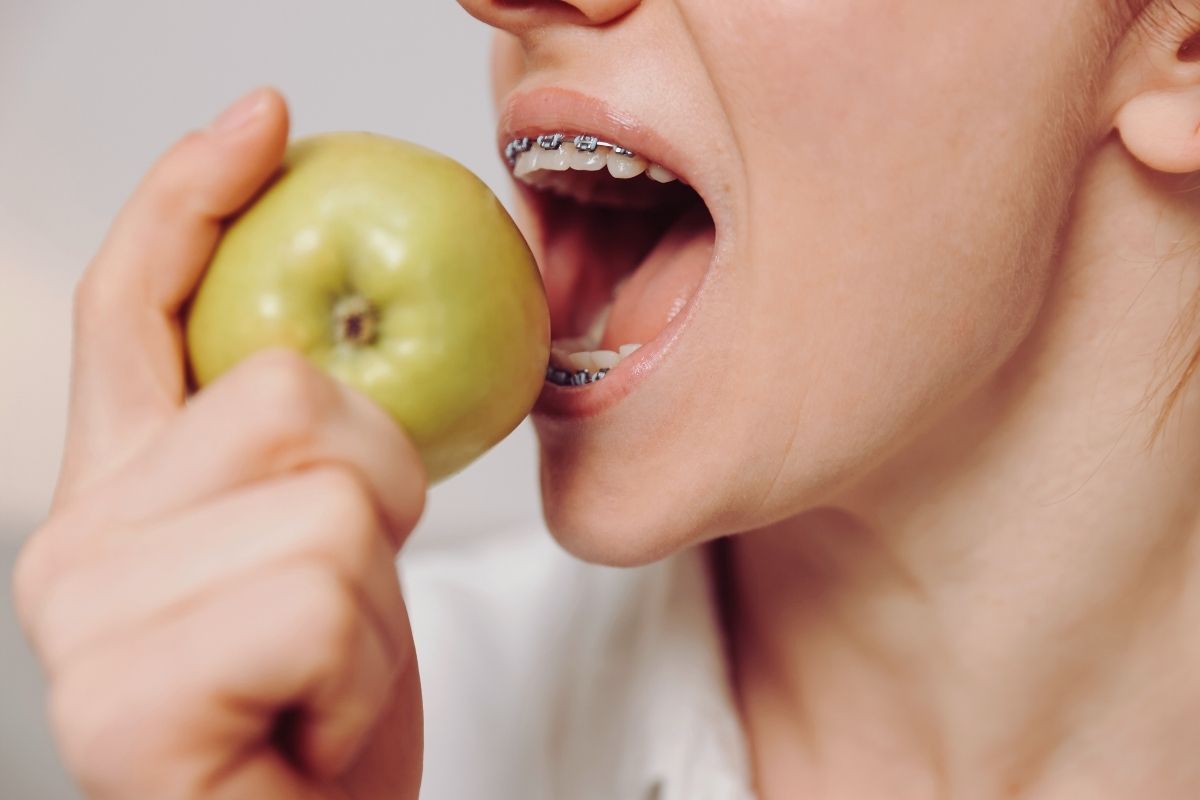
Braces mark the beginning of a big change. They set the path toward a healthier bite and a straighter smile. But the first days after getting them can feel like an adjustment in more ways than one. Talking feels different. Smiling feels different. And eating? Eating is often the biggest change.
The truth is simple: you can’t eat normally right after braces. Teeth are sore, gums feel tender, and new brackets and wires take time to get used to. That doesn’t mean you have to feel lost at mealtime. With the right choices, the first few weeks become manageable.
This guide breaks down what to expect, what foods work best, what to avoid, and how to stay comfortable.
The First 24–48 Hours: The Soft and Smooth Stage
The first couple of days are the most tender. Braces place pressure on the teeth, and your mouth notices the difference immediately. Many people describe it as a dull soreness, like the teeth are being pushed. Biting into something firm can feel almost impossible.
During this stage, stick to smooth, liquid, and extra-soft foods. They are gentle on sore teeth while still providing energy.
Safe foods for the first 2 days include:
- Creamy soups and blended broths
- Yogurt, pudding, or applesauce
- Mashed potatoes, polenta, or smooth oatmeal
- Scrambled eggs, cottage cheese, or mac and cheese
- Smoothies or milkshakes (without seeds or crunchy add-ins)
The First Week: Slowly Adding More Variety
After the first couple of days, things begin to feel easier. The soreness lessens, and chewing no longer feels impossible. This is the stage where you can bring back some variety with care.
The key is to keep foods soft, cut them into small bites, and chew slowly. Rushing can put extra pressure on teeth and brackets.
Good choices during the first week include:
- Soft fruits: bananas, peeled peaches, sliced melons
- Steamed or boiled vegetables: broccoli, carrots, zucchini, squash
- Soft proteins: baked fish, ground beef, shredded chicken, tofu
- Soft breads: pancakes, muffins, rolls without crusts
- Grains and pasta: rice, noodles, risotto, well-cooked pasta dishes
These foods give more flavor and texture without being too hard on sore teeth.
Foods to Avoid With Braces
Certain foods cause problems not only in the first week, but throughout treatment. These foods either risk breaking brackets and wires or make cleaning braces much harder.
Foods to avoid include:
- Hard foods: ice, nuts, hard candy, popcorn kernels, crunchy bread crusts
- Sticky foods: caramel, gum, taffy, sticky candies
- Crunchy foods: chips, raw carrots, corn on the cob, pretzels
- Chewy foods: jerky, bagels, tough meats
Here’s why:
- Hard foods can snap a bracket or bend a wire.
- Sticky foods cling to braces and are tough to clean away.
- Crunchy foods push against brackets and can cause breakage.
- Chewy foods pull on wires and create unnecessary strain.
Avoiding these foods helps your braces treatment stay on track and progress smoothly.
Simple Ways to Adjust with Braces
Eating is only one part of the adjustment. Braces also bring new routines and small challenges. The right strategies can make the transition much easier.
Comfort tips:
- Use orthodontic wax on brackets that rub against cheeks.
- Rinse with warm saltwater to calm sore spots.
- Take pain relievers if needed, but only as advised by your orthodontist.
- Stay patient. The adjustment is temporary and gets easier each day.
Hygiene tips:
- Brush gently after every meal to clear food from brackets.
- Floss with care, using threaders or special orthodontic floss.
- Rinse with water if brushing isn’t possible right away.
Good habits early on protect both teeth and braces, helping you avoid delays in treatment.
How Long Until Eating Feels Normal Again?
Most people adjust to braces within a couple of weeks. The first few days are the most uncomfortable. By the end of the first week, soft solid foods are manageable. After two weeks, eating feels much more natural.
Of course, “normal” changes a bit during treatment. Some foods will stay off limits until braces come off. But mealtimes stop feeling like a struggle, and most favorite meals can be enjoyed again with small adjustments—like cutting food into smaller bites or cooking vegetables until tender.
The Bigger Picture
It’s easy to focus on the short-term frustrations of braces. The soreness, the food changes, the time it takes to chew. But braces are a short chapter in a much bigger story. Every small adjustment leads to something greater: a healthy bite, a straighter smile, and better long-term oral health.
Remind yourself that the changes in your diet are temporary. The soft foods, the adjustments, and even the patience it takes are part of the process. Soon enough, eating with braces will feel second nature, and the reward at the end will be worth every small challenge along the way.
Start your Braces Journey with Us Today
If you or your child is planning to get orthodontic care, our office is here to support you at every step. We’re conveniently located at 15424 Farm to Market Road 1825. We provide orthodontic care for all ages in Pflugerville and the surrounding communities. Our dedicated orthodontist is here to provide the care you need, including guiding you on how to keep your teeth healthy and your treatment on track.
If you have any concerns about braces, need an adjustment, or are thinking about starting your journey, feel free to consult with our team at: 512-989-3300. We’d love to hear from you.