
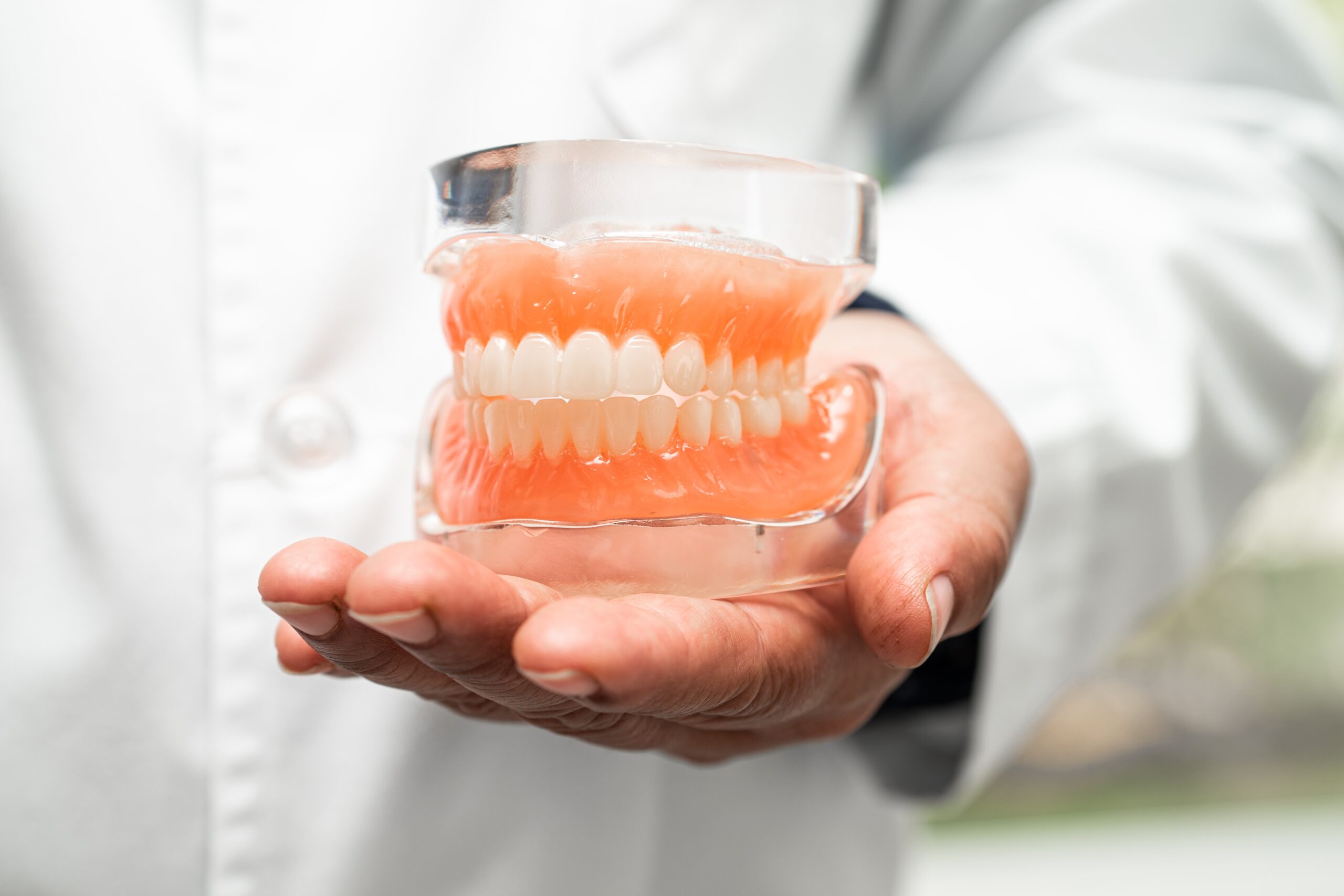
Your skin is not the only thing that changes with age. Your teeth age too, and in many adults, they age faster than the rest of the body. Small changes in enamel, gum health, bite alignment, and tooth color can slowly make a smile look older, weaker, and more worn down. The problem is that many people miss the warning signs until the damage becomes difficult to ignore.
The good news is that premature dental aging is often preventable. In many cases, early treatment can slow down wear, protect enamel, and restore a healthier appearance before larger problems develop. According to the Centers for Disease Control and Prevention, nearly 1 in 4 adults between the ages of 20 and 64 currently has untreated cavities in the United States. Preventive care and early treatment play a major role in protecting long-term oral health.
Around Pflugerville, where coffee runs, food truck lunches, and weekend meals at places like Texas Roadhouse, Brotherton’s Black Iron Barbecue, and Pecan Street Station are part of everyday life, teeth face constant exposure to staining foods, sugary drinks, acids, and temperature changes. Over time, these habits can accelerate visible dental aging.
At Signature Smiles Dentistry & Orthodontics, Dr. Ronald John Caldwell, Jr. and the team regularly help patients identify early signs of dental aging before they progress into more complex issues. Their approach focuses on preventive care, cosmetic improvements, and long-term smile protection. If you have started noticing changes in your smile, scheduling an evaluation can help you understand what your teeth may be telling you.
3 Most Common Signs Your Teeth May Be Aging Prematurely
Dental aging rarely begins with severe pain or sudden damage. Most people first notice subtle changes in color, shape, sensitivity, or gum appearance that slowly become more obvious over time.
Recognizing these warning signs early can help prevent long-term enamel damage, gum problems, and costly restorative treatment later. Here are three of the most common signs dentists look for when evaluating premature dental aging.
1. Your Teeth Look More Yellow, Dull, or Transparent
Many people assume stained teeth are only caused by coffee or aging alone. In reality, discoloration often signals that enamel is thinning. Enamel is the hard outer layer that protects teeth. As it wears down, the yellowish dentin underneath becomes more visible.
This process happens gradually. You may first notice your smile looking less bright in photos or under restaurant lighting. Some adults also notice the edges of their front teeth starting to appear slightly transparent.
Several everyday habits can speed this up:
- Frequent coffee, tea, or red wine consumption
- Acidic foods and drinks
- Teeth grinding during sleep
- Smoking or tobacco use
- Aggressive brushing with hard bristles
- Skipping preventive dental visits
This issue is common among adults who spend long days commuting into nearby Austin or grabbing quick meals between work and family responsibilities. Repeated exposure to acidic drinks, especially flavored sparkling water and sports drinks, weakens enamel faster than many people realize.
The earlier the enamel damage is addressed, the more options you have.
A qualified cosmetic dentist in Pflugerville can evaluate whether discoloration is surface staining or a sign of deeper enamel wear. That distinction matters because not every aging smile concern responds to the same cosmetic approach.
2. Your Teeth Are Flattening, Chipping, or Looking Shorter
Teeth should naturally have subtle curves and texture. When they begin looking flat, uneven, or shorter, it often points to excessive wear.
This type of dental aging usually develops from years of grinding, clenching, or uneven bite pressure. Stress-related teeth grinding has become increasingly common, especially among adults balancing demanding schedules and constant screen time.
One overlooked sign is waking up with jaw soreness or tension headaches. Another clue is noticing tiny chips along the edges of the front teeth.
Worn teeth do more than affect appearance. They can:
- Change your bite alignment
- Increase tooth sensitivity
- Raise the risk of cracks
- Make chewing less comfortable
- Create an older facial appearance
People often associate shorter teeth with aging because worn enamel changes the proportions of the smile. Over time, this can make the lower face appear collapsed or tired.
This is where cosmetic dentistry becomes highly valuable. Improving the shape, symmetry, and brightness of worn teeth can make a smile appear healthier and more refreshed while also supporting better long-term oral function.
3. Your Gums Are Pulling Back, or Your Teeth Feel More Sensitive
Healthy gums frame the teeth and protect the roots underneath. When gums begin receding, teeth often appear longer and older.
Gum recession is not always painful in the beginning. Some people first notice increased sensitivity while drinking cold water or eating ice cream during hot Central Texas summers. Others notice small notches near the gumline.
Several factors contribute to gum recession:
- Gum disease
- Brushing too hard
- Teeth grinding
- Tobacco use
- Poor oral hygiene
- Misaligned teeth
This issue deserves attention because exposed roots are more vulnerable to decay and sensitivity.
Many patients delay treatment because they assume gum recession is a normal part of aging. While age can contribute, significant recession is usually connected to underlying dental stress or inflammation. Cosmetic improvements are often designed to restore harmony between the teeth and gums while helping the smile appear more youthful and balanced.
Protecting gum health is especially important for adults who already have restorations or cosmetic dental work. Healthy gums help preserve both function and appearance.
Cosmetic Treatments That Can Help Aging Teeth Look Younger
A trusted cosmetic dentist in Pflugerville focuses on improving the visible signs of dental aging while keeping smiles natural-looking and balanced. The right cosmetic approach often depends on enamel wear, discoloration, tooth shape, and overall smile harmony.
Cosmetic Bonding
Minor chips, uneven edges, and small areas of enamel wear can make teeth appear older than they are. Cosmetic bonding helps improve tooth shape and symmetry by carefully reshaping visible imperfections. This treatment is commonly chosen by adults who want subtle smile improvements without changing the natural appearance of their teeth.
Professional Teeth Whitening
Dark beverages, acidic foods, and years of enamel staining can gradually make a smile look dull or tired. Professional whitening treatments help lift deeper stains more evenly than store-bought products while brightening the smile in a more controlled and safer way. Many adults choose this treatment to refresh their appearance before visible discoloration becomes more noticeable.
Veneers
Worn, uneven, or discolored teeth can affect the overall balance of a smile. Veneers are designed to improve tooth shape, color, and proportion while maintaining a natural-looking appearance. They are often recommended for adults dealing with visible enamel wear or cosmetic imperfections that make teeth appear prematurely aged.
Many adults postpone cosmetic improvements because they assume visible dental aging is unavoidable. In reality, treating these concerns earlier often allows for more conservative care and more natural-looking long-term results.
Why Premature Dental Aging Happens Earlier Than Most People Think
Many adults expect dental aging to begin later in life. However, dentists now regularly see enamel wear, gum recession, and bite damage in patients in their 30s and 40s.
Several modern habits contribute to faster dental aging:
- Frequent Snacking: Constant snacking keeps the mouth acidic for longer periods. Acid weakens enamel and increases cavity risk.
- Stress and Clenching: Chronic stress often causes nighttime grinding, which places excessive force on teeth.
- Dry Mouth: Certain medications and dehydration reduce saliva flow. Saliva protects enamel and neutralizes acid.
- Delayed Preventive Care: Minor dental problems are easier to treat early. Delayed care often leads to more visible damage.
- Whitening Without Supervision: Overusing whitening strips or abrasive toothpaste can increase enamel wear in some patients.
A Healthier Smile Often Starts With Early Action
Premature dental aging rarely happens overnight. Most signs begin subtly, then slowly progress over the years. The advantage of recognizing these signs early is that many solutions are conservative when addressed promptly. Enamel wear, gum recession, discoloration, and bite issues can often be managed before they require more extensive treatment.
At Signature Smiles Dentistry & Orthodontics – Pflugerville, patients receive comprehensive care designed to protect both the health and appearance of their smiles long-term. From preventive care and gum disease treatment to veneers, Invisalign®, cosmetic bonding, and teeth whitening, the team focuses on helping patients maintain confident, healthy smiles through every stage of adulthood while proudly serving patients in Pflugerville and surrounding areas.
If your teeth look older than you feel, a professional evaluation may help uncover the reason sooner than expected.
FAQs
Can teeth really age faster than the rest of the body?
Yes. Enamel wear, grinding, gum disease, and acidic diets can accelerate dental aging. Many adults notice smile changes years before other visible aging signs appear.
Why are my teeth becoming more yellow even though I brush daily?
Brushing removes surface debris but cannot rebuild worn enamel. As enamel thins, the darker dentin underneath becomes more visible and changes the tooth color.
Does stress affect how quickly teeth age?
Yes. Stress often contributes to clenching and nighttime grinding. Continuous pressure gradually wears away enamel and increases the risk of fractures and sensitivity.
Is professional teeth whitening better than store-bought whitening products?
Professional whitening treatments are designed to brighten teeth more evenly and safely. They are also better suited for addressing deeper stains caused by years of coffee, wine, or enamel discoloration.
How does cosmetic bonding help aging teeth?
Cosmetic bonding can improve small chips, worn edges, and uneven tooth surfaces that make a smile appear older. The treatment helps restore a smoother and more youthful-looking appearance.
Are veneers a good option for worn or uneven teeth?
Veneers are commonly used to improve teeth affected by visible wear, discoloration, or uneven proportions. They can create a more refreshed and balanced smile while maintaining a natural appearance.
Can stained teeth be a sign of enamel damage?
Yes. Yellowing or dull teeth may indicate enamel thinning rather than surface stains alone. As enamel wears down, the darker layer underneath becomes more visible.
When should adults consider cosmetic treatment for aging teeth?
Adults should consider cosmetic treatment when they notice persistent discoloration, worn edges, chips, or changes in smile appearance. Addressing concerns early often allows for more conservative and natural-looking improvements.