
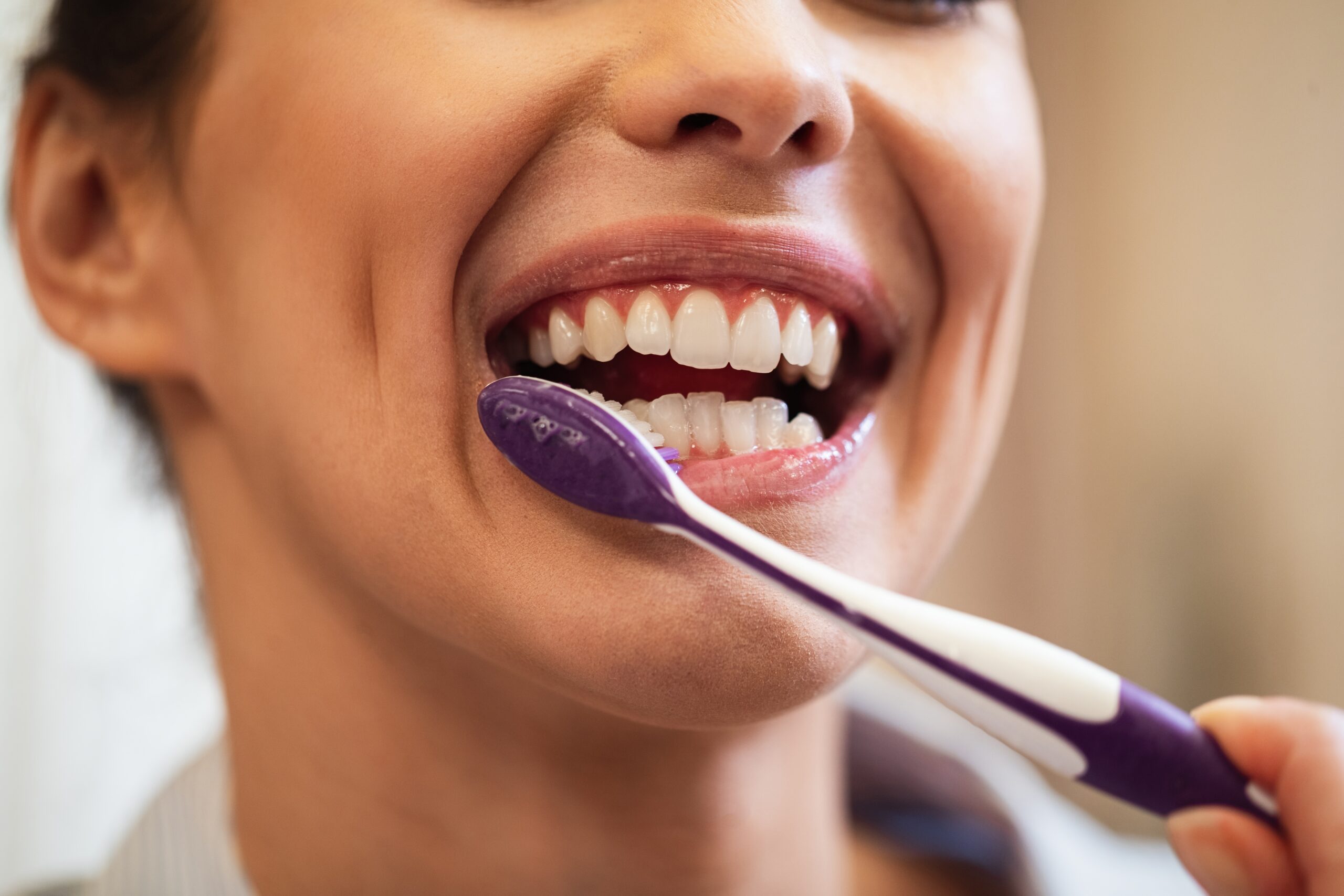
You brush twice a day. You use mouthwash. You even pop a mint before stepping out the door. But that embarrassing bad breath just won’t go away. Sound familiar?
Here’s something most people don’t realize: brushing your teeth only cleans about 25% of your mouth. If harmful bacteria are hiding beneath your gumline deep inside what dentists call periodontal pockets no amount of brushing, flossing, or mouthwash will truly fix the problem. The real cause of your bad breath might not be what you ate for lunch. It could be undetected gum disease and if you’re living in the area, getting gum disease treatment in Pflugerville sooner rather than later could make all the difference.
What Actually Causes Persistent Bad Breath (Halitosis)?
Bad breath clinically known as halitosis can have several causes: garlic, onions, coffee, dry mouth, and poor oral hygiene are the usual suspects. But when bad breath keeps coming back despite your best efforts, periodontal disease is often the hidden culprit that goes undetected for years. Your mouth is home to hundreds of bacteria strains. Most are harmless. But when plaque buildup accumulates along and beneath the gumline, harmful bacteria begin to multiply rapidly. These bacteria break down proteins in your mouth and release volatile sulfur compounds (VSCs) the same compounds responsible for the foul odor that no mint can mask. The critical thing to understand is this: as long as the bacterial infection in your gums remains untreated, the bad breath will keep coming back. No amount of over-the-counter products can reach deep enough to fix it.
What Is Gum Disease and How Does It Develop?
Gum disease (also called periodontal disease) is a bacterial infection of the gum tissue and bone that support your teeth. It’s incredibly common affecting nearly half of adults over 30 in the U.S. and it almost always starts without any pain, which is why so many people don’t catch it early.
It develops in two main stages:
- Gingivitis: The early stage of gum disease. Gum inflammation sets in your gums become red, swollen, and bleed easily during brushing or flossing. The good news is that gingivitis is still reversible at this stage with a professional dental cleaning and better oral hygiene habits.
- Periodontitis: The advanced stage. Bacteria have moved deeper below the gumline, creating infected periodontal pockets around your teeth. This leads to receding gums, jawbone deterioration, and eventually tooth loss if left untreated. At this stage, professional gum disease treatment is essential.
Both stages share one very consistent symptom: chronic bad breath and a persistent bad taste in the mouth that brushing simply cannot eliminate.
Other Signs Your Bad Breath Is Coming From Your Gums
Bad breath is rarely the only signal. When periodontal disease is involved, you’ll often notice one or more of these warning signs alongside it:
- Bleeding gums when brushing or flossing even gently
- Red, swollen, or tender gum tissue
- Receding gums that make your teeth look longer than usual
- Teeth that feel loose or have shifted slightly
- A persistent bad taste in your mouth that returns shortly after eating
- Increased tooth sensitivity to hot or cold
If two or more of these feel familiar, don’t ignore them. These are signs that your gums need professional care not just a better toothbrush.
Why Mouthwash and Mints Only Mask the Problem
This is one of the most common misconceptions about oral health. Antibacterial mouthwash can temporarily reduce surface bacteria and cover up odor but it physically cannot penetrate the deep periodontal pockets that form when gum disease has progressed. Think of it like this: if you had an infected cut on your hand, you wouldn’t just spray perfume on it and move on. You’d clean out the infection properly. That’s exactly what scaling and root planning the most common form of gum disease treatment does. It removes the plaque buildup, tartar, and infected tissue from below the gumline, going directly to the source of the problem. Until the bacterial infection is properly treated, halitosis will keep returning no matter what products you use.
What Does Gum Disease Treatment in Pflugerville Actually Look Like?
A lot of people put off treatment because they imagine it’s painful or complicated. The reality is quite different especially when gum disease is caught before it reaches an advanced stage. Here’s what gum disease treatment in Pflugerville typically involves:
- Scaling and Root Planning (Deep Cleaning): This is the most common first step. Using specialized instruments, your dental hygienist carefully removes plaque buildup and tartar from beneath the gumline and smooths out the root surfaces to discourage future bacterial growth. Local anesthesia keeps you comfortable throughout.
- Antibacterial Rinses or Antibiotic Therapy: Sometimes used alongside deep cleaning to control stubborn bacterial levels, especially in deeper periodontal pockets.
- Periodontal Maintenance Visits: After your initial treatment, your dentist will schedule more frequent checkups typically every 3 to 4 months to monitor your gum health and prevent the gum infection from returning.
- Surgical Options (for advanced cases): If periodontitis has caused significant bone loss or severely receding gums, procedures like gum grafting or guided bone regeneration may be recommended. However, most patients who get treated early never need surgery.
Most patients notice a dramatic improvement in their breath within two to four weeks of completing their initial treatment and many say they wish they hadn’t waited so long.
How to Keep Your Gums Healthy After Treatment
The great news about gum disease is that once it’s treated, keeping it under control is very manageable. Prevention is always easier than treatment, and a few consistent daily habits go a long way:
- Brush twice daily with a soft-bristled toothbrush pay special attention to the gumline
- Floss every day to remove plaque buildup between teeth where your brush can’t reach
- Keep up with your periodontal maintenance visits as recommended by your dentist
- Stay well hydrated dry mouth accelerates bacterial growth and worsens halitosis
- Quit smoking tobacco use is one of the biggest risk factors for recurring gum disease
- Manage conditions like diabetes, which are closely linked to increased gum inflammation
Stop Masking It Get to the Root of the Problem
Persistent bad breath is not just embarrassing it’s often your body’s way of signaling that something deeper is going on with your oral health. The longer a gum infection goes untreated, the more damage it can cause to your gums, bone, and teeth. The good news? Gum disease is very treatable, and the earlier you act, the simpler and faster the recovery. If you’ve been brushing and mouthwashing your way through this problem without results, it’s time to get a professional opinion. At Signature Smiles Dentistry & Orthodontics, we provide compassionate, affordable gum disease treatment in Pflugerville for patients of all ages including children and families. We gladly accept Medicaid, CHIP, and most dental insurance plans, because we believe healthy gums should be accessible to everyone. Call us today and let’s get to the bottom of that bad breath for good.
Frequently Asked Questions
1. Can bad breath really be caused by gum disease?
Yes and it’s one of the most commonly overlooked causes of halitosis. When harmful bacteria colonize the periodontal pockets between your teeth and gums, they release sulfur compounds that produce a foul, persistent odor. Unlike bad breath from food or drink, this type doesn’t go away with brushing because the bacteria live beneath the gumline where your toothbrush simply cannot reach. Professional gum disease treatment is the only way to truly eliminate it.
2. Is scaling and root planing (deep cleaning) painful?
Most patients are pleasantly surprised by how comfortable the procedure is. Your dentist will apply a local anesthetic to numb the treatment area, so you should feel little to no pain during the deep cleaning itself. Afterward, it’s normal to experience some mild soreness or tooth sensitivity for a few days, which usually settles on its own. Most people find the anticipation far worse than the actual procedure.
3. How soon will my bad breath improve after gum disease treatment?
Most patients notice a clear improvement within two to four weeks following their initial treatment. As the gum infection heals and the bacterial load beneath your gumline is reduced, the source of the halitosis is eliminated. Staying consistent with your post-treatment oral hygiene routine and keeping your follow-up periodontal maintenance appointments will prevent the odor from returning.
4. Can periodontal disease come back after treatment?
It can but it doesn’t have to. Periodontal disease is caused by bacterial buildup, so if plaque is allowed to accumulate again, the gum inflammation can return. That’s why dentists typically recommend periodontal maintenance visits every 3 to 4 months (rather than the standard 6-month cleaning) after treatment. With good daily oral hygiene habits and consistent professional care, the vast majority of patients keep their gum disease well under control long-term.
5. Does Medicaid or dental insurance cover gum disease treatment in Pflugerville?
In most cases, yes. Scaling and root planing is considered a medically necessary procedure, and most dental insurance plans cover at least a portion of the cost. Medicaid and CHIP also typically cover periodontal treatments for eligible patients. At Signature Smiles Dentistry & Orthodontics, we accept Medicaid, CHIP, and most insurance plans. Our team will walk you through your coverage before any treatment begins so you know exactly what to expect no surprises.