
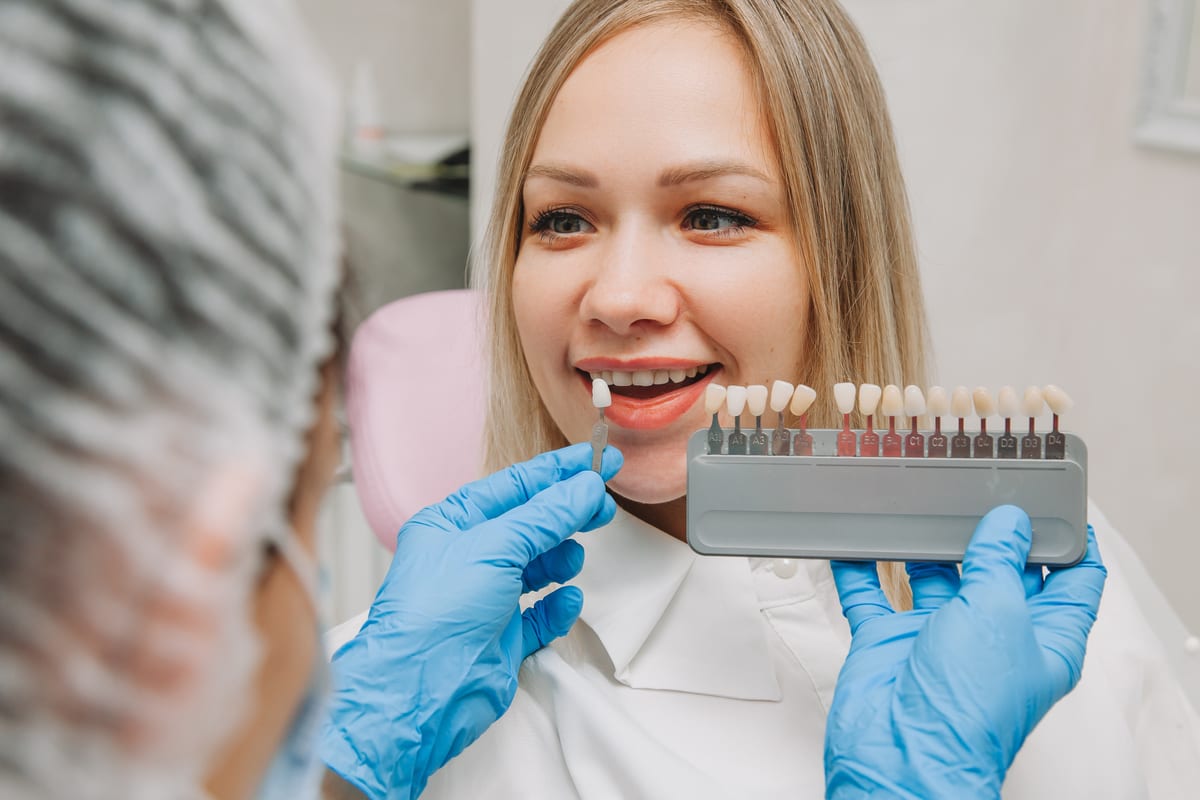
Getting veneers is one of the best decisions you can make for your smile. But your new veneers won’t last without these simple care habits in Bastrop — and that’s a fact many patients overlook. Veneers are durable, but they’re not indestructible. With the right daily routine and a few smart choices, your veneers can stay beautiful for a decade or more.
At Signature Smiles Dentistry & Orthodontics in Bastrop, Dr. Ronald John Caldwell, Jr. helps patients protect their investment every day. This guide covers exactly what you need to know to keep your veneers in top shape.
What Makes Veneers Vulnerable — And Why Care Habits Matter in Bastrop
Veneers are thin shells of porcelain or composite resin bonded to the front of your teeth. They resist staining better than natural enamel, but they’re not completely stain-proof. The bonding material at the edges can still absorb color over time.
Porcelain veneers can also chip or crack under pressure. Everyday habits that seem harmless can quietly damage them. Understanding the risks is the first step toward protecting your smile.
Many Bastrop patients invest in Cosmetic Dentistry Bastrop services to transform their appearance. Protecting that transformation starts the moment you leave the dental chair. Small, consistent habits make the biggest difference over time.
Foods and Drinks That Threaten Your Veneers
What you eat and drink directly affects how long your veneers last. Some substances stain the bonding edges. Others put dangerous pressure on the veneer surface.
Staining culprits to limit or avoid:
- Coffee and tea — especially dark roasts
- Red wine and dark sodas
- Tomato-based sauces and curries
- Soy sauce and balsamic vinegar
- Berries like blueberries and blackberries
You don’t have to eliminate these foods entirely. Using a straw with staining drinks helps reduce direct contact. Rinsing your mouth with water immediately after eating also reduces staining risk significantly.
Hard and crunchy foods to watch out for:
- Hard candies and lollipops
- Raw carrots or apples (bite-sized pieces are safer)
- Ice — chewing it is a major veneer risk
- Hard bread crusts and bagels
- Popcorn kernels and hard nuts
Cutting harder foods into smaller pieces protects your veneers from unnecessary pressure. Small adjustments now prevent costly repairs later.
Harmful Habits That Silently Damage Veneers
Daily habits outside of eating can be just as damaging. Many patients don’t realize how much stress common behaviors put on their veneers. Identifying these habits early helps you break them before damage occurs.
Nail biting is one of the most common veneer-damaging habits. The repeated pressure and angled force can chip or dislodge a veneer over time. Breaking this habit protects both your veneers and your natural teeth.
Using teeth as tools is another major risk. Opening packaging, tearing tags, or holding objects with your teeth creates stress points on your veneers. Always reach for scissors or another tool instead.
Teeth grinding (bruxism) is particularly dangerous for veneer longevity. Many people grind their teeth at night without knowing it. Dr. Caldwell can fit you with a custom nightguard to protect your veneers while you sleep.
Clenching during stress also puts pressure on veneers throughout the day. Being mindful of jaw tension and practicing relaxation techniques can make a real difference. Your veneers will thank you for it.
The Right Products and Cleaning Routine for Veneer Care
Your cleaning routine plays a huge role in veneer longevity. Using the wrong products can scratch the surface or wear down the bonding material. The right routine is simple — it just needs to be consistent.
Toothpaste matters more than you think. Avoid whitening toothpastes with abrasive particles. These can scratch porcelain veneers and dull their shine. Choose a non-abrasive fluoride toothpaste labeled safe for veneers.
Your toothbrush choice is equally important. Use a soft-bristled toothbrush and gentle circular motions. Hard bristles can scratch the veneer surface and irritate the gumline around the bonding. Replace your brush every three months.
Flossing is non-negotiable. Gum disease can undermine the teeth supporting your veneers. Floss gently every day around the veneer edges. Water flossers are an excellent addition to your routine.
Avoid alcohol-based mouthwashes. Alcohol can soften the bonding agent used to attach veneers. Opt for an alcohol-free, fluoride-containing rinse instead. This simple swap protects the bond that holds your veneers in place.
Why Maintenance Visits with Dr. Caldwell Are Essential
Even perfect home care isn’t enough on its own. Professional maintenance visits are a critical part of keeping your veneers in excellent condition. Dr. Caldwell and the Signature Smiles team in Bastrop provide thorough assessments at each checkup.
During a maintenance visit, the team checks the veneer edges for early signs of chipping or wear. They also clean around the gumline to prevent buildup that could affect the bonding. Catching small issues early prevents much larger problems down the road.
Professional polishing keeps your veneers looking their brightest. The cleaning tools used in-office are specifically chosen to be safe for porcelain and composite surfaces. This is not something you can replicate at home.
Most patients with veneers should visit every six months. Some may benefit from more frequent visits depending on their bite and grinding habits. Dr. Caldwell will create a schedule tailored to your specific needs.
If you experience dental anxiety around regular visits, know that Sedation Dentistry Bastrop options are available at Signature Smiles. Comfortable, stress-free visits make it easy to stay on track with your maintenance schedule. Your long-term smile health depends on showing up consistently.
Bringing It All Together: Your Veneer Care Plan in Bastrop
Your veneers represent a meaningful investment in your smile and your confidence. The good news is that protecting them doesn’t require dramatic lifestyle changes. It requires consistent, simple habits applied every single day.
Avoid staining drinks or use a straw. Cut hard foods into smaller pieces. Stop biting your nails and using your teeth as tools. Brush with a soft toothbrush and non-abrasive toothpaste. Floss daily. Skip alcohol-based mouthwashes. And never miss a maintenance visit with Dr. Caldwell.
Bastrop patients who follow these habits consistently report their veneers looking stunning for ten to fifteen years or more. That’s a beautiful return on your investment. Small daily choices lead to lasting results.
The team at Signature Smiles Dentistry & Orthodontics is here to support you at every stage of your veneer journey. Whether you need a checkup, a nightguard, or guidance on your home routine, we’re ready to help. Book Now to schedule your appointment with our team.
Frequently Asked Questions
How long do veneers typically last with proper care?
Porcelain veneers can last between ten and twenty years with consistent care. Composite veneers typically last five to seven years. The key factors are your daily habits, what you eat, and how regularly you visit Dr. Caldwell for professional maintenance in Bastrop.
Can I whiten my teeth if I have veneers?
Traditional whitening treatments do not affect porcelain veneers. If your natural teeth change color over time, they may no longer match your veneers. Talk to Dr. Caldwell about the best approach to keeping your overall smile consistent and bright.
What should I do if a veneer chips or falls off?
Contact Signature Smiles Dentistry & Orthodontics in Bastrop as soon as possible. Keep the veneer safe if it has come off completely. Do not try to reattach it yourself. Dr. Caldwell can assess the damage and recommend the best repair or replacement option quickly.
Is it safe to drink coffee with veneers?
You can still enjoy coffee with veneers, but moderation is important. Using a straw reduces direct contact with the veneer surface. Rinsing with water immediately after drinking also helps. Limiting intake and scheduling regular cleanings will keep staining to a minimum.
Do I need a nightguard if I have veneers?
If you grind or clench your teeth at night, a custom nightguard is strongly recommended. Grinding puts significant stress on veneers and can cause chipping or cracking over time. Dr. Caldwell can fit you for a comfortable, custom nightguard designed to protect your veneers while you sleep.