
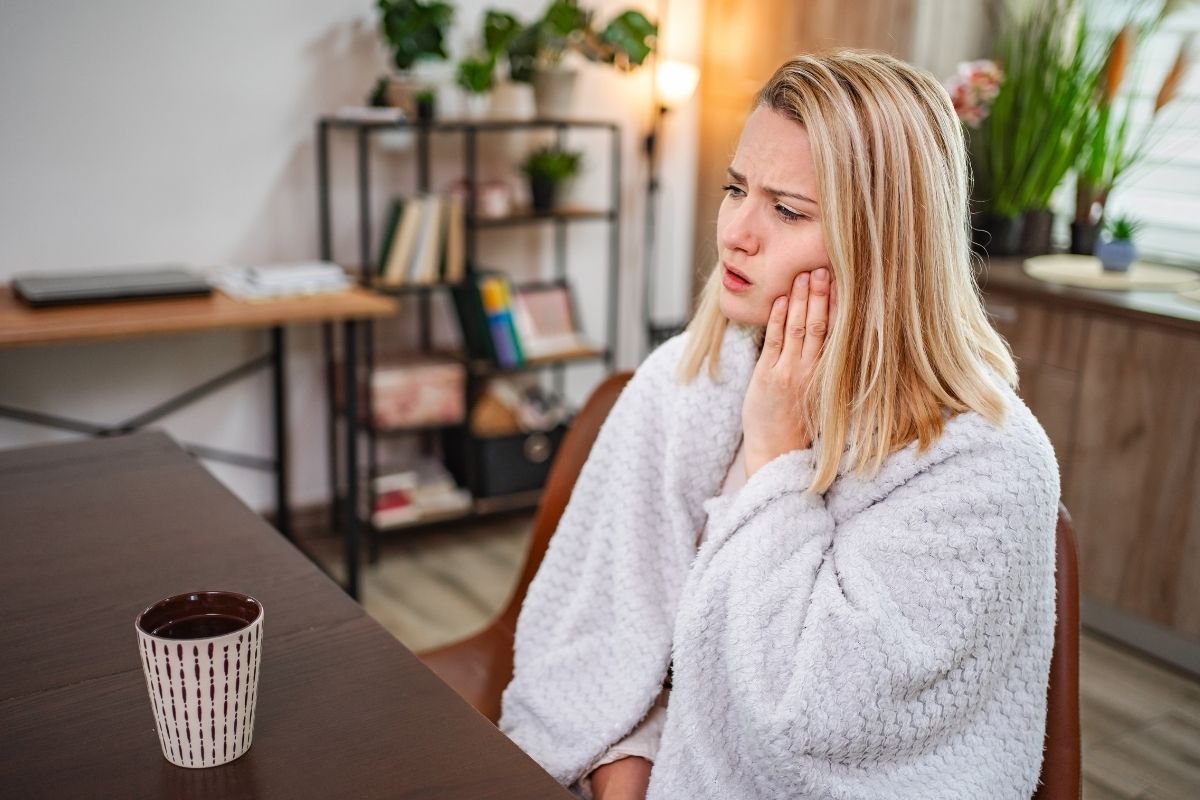
As temperatures drop, many people notice an uncomfortable change in their teeth. A sip of cold water, a breath of chilly air, or even stepping outside on a winter morning can trigger sharp tooth pain. While this sensation is common, it is not always something to ignore. Cold-weather tooth pain can be a sign of sensitivity, but it may also point to an underlying dental concern that deserves attention.
At Signature Smiles Dentistry & Orthodontics, our team provides comprehensive dental care for individuals and families throughout the Pflugerville area. Our dentist, Dr. Caldwell, along with the dental team, focuses on preventive, restorative, cosmetic, and orthodontic care, with an approach centered on patient comfort, education, and long-term oral health.
We believe that understanding why your teeth hurt in colder months and knowing when to seek care can help you protect your oral health and avoid more serious issues down the road.
Why Teeth Can Hurt More in Cold Weather
Cold temperatures can affect your teeth in several ways. The most common reason for winter tooth pain is dental sensitivity. When enamel wears down or gums recede, the inner layer of the tooth becomes exposed. This allows cold air or cold drinks to reach the nerve, causing sudden discomfort.
Other contributing factors may include:
- Cracked or chipped teeth that expand and contract with temperature changes
- Cavities that expose sensitive areas of the tooth
- Old or damaged fillings that no longer seal properly
- Gum recession due to periodontal concerns
- Sinus pressure, which can sometimes mimic dental pain
Cold weather can also encourage habits like teeth grinding or jaw clenching, especially during stress, which may worsen tooth discomfort over time.
When Tooth Sensitivity Is Normal
Mild sensitivity that occurs occasionally and resolves quickly is often not a serious problem. Many people experience temporary discomfort when exposed to cold foods or air, especially if they already have slightly sensitive teeth. Using a toothpaste formulated for sensitivity and avoiding extreme temperatures can often help manage these symptoms.
However, sensitivity should not interfere with daily life or worsen over time. Persistent or intense pain is not considered normal and should be evaluated.
Signs You Should Not Ignore
Tooth pain in cold weather may signal a dental issue that needs professional care. Signs you may notice:
- Pain that lingers after the cold exposure ends
- Sensitivity that affects one specific tooth
- Sharp or throbbing pain rather than mild discomfort
- Swelling, bleeding gums, or visible damage to a tooth
- Pain when biting or chewing
These symptoms may indicate decay, infection, or structural damage that will not improve on its own. If you are in Pflugerville and experiencing any of these concerns, you can reach out to our team at 512-989-3300. A quick checkup can help identify the cause and plan the appropriate next steps.
How Cold-Related Tooth Pain Is Treated
Treatment depends on the cause of the discomfort. In many cases, simple preventive solutions such as fluoride treatments or desensitizing products can strengthen enamel and reduce sensitivity. If the issue involves decay, cracks, or gum disease, restorative care may be recommended to protect the tooth and relieve pain.
At our dental office, care plans are customized to each patient’s needs, with a focus on preserving natural teeth whenever possible and addressing discomfort at its source.
Preventing Tooth Pain During Winter
You can reduce your risk of cold-weather tooth pain by:
- Brushing twice daily with a soft-bristled toothbrush
- Using toothpaste designed for sensitive teeth
- Wearing a scarf over your mouth in very cold weather
- Avoiding excessive grinding or clenching
- Scheduling regular dental checkups to catch issues early
Good oral hygiene and routine care remain the best defense against seasonal dental discomfort.
When to Consider a Dental Visit
Tooth pain in cold weather that becomes frequent, worsens over time, or begins to affect eating, drinking, or daily comfort may signal the need for a dental evaluation. While occasional sensitivity can be manageable, ongoing or localized discomfort often points to an issue that should be addressed.
Addressing cold-related tooth pain early can help prevent minor concerns from progressing into more complex dental problems. Paying attention to changes in sensitivity and seeking timely guidance supports better oral health throughout the winter months and beyond.