
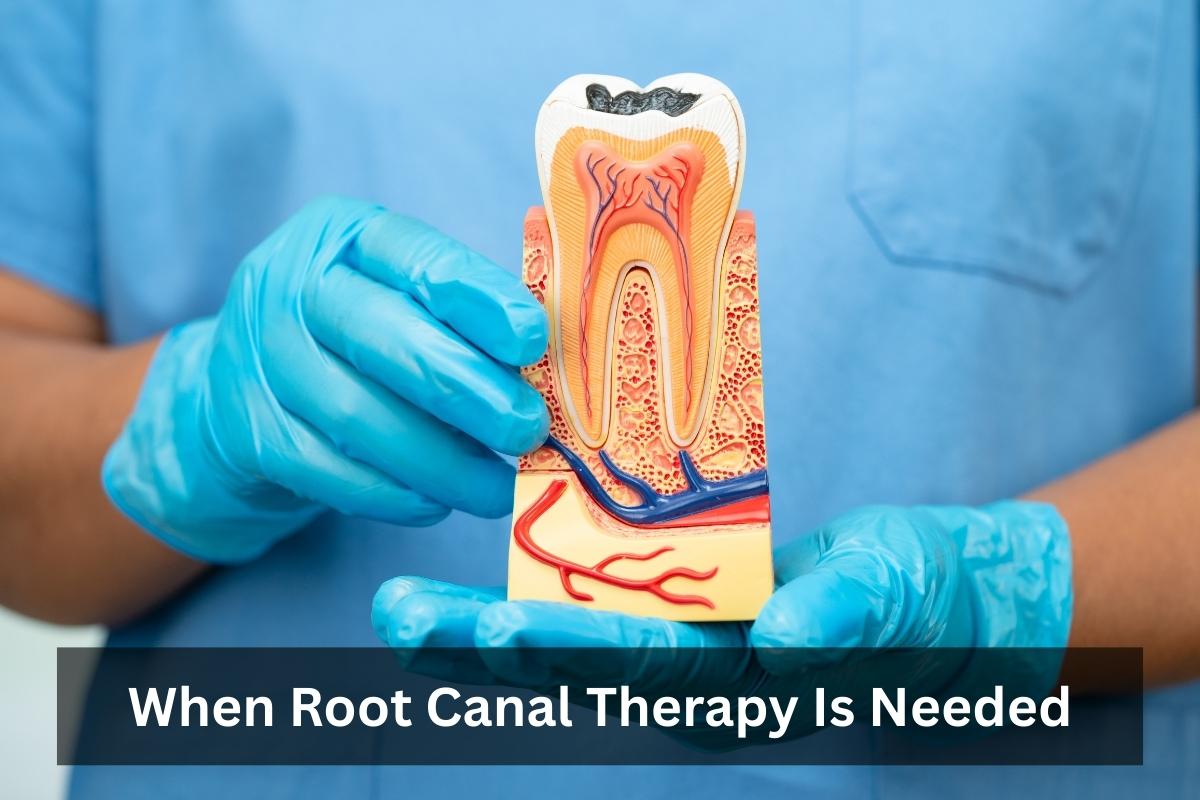
Tooth pain can be unsettling, and many people wonder whether it is something that will pass on its own or a sign of a deeper problem. In some cases, discomfort points to an infection inside the tooth that requires professional care. One of the most reliable treatments for saving a tooth in this condition is root canal therapy. Understanding when this procedure is needed can help you take timely action and protect your long-term oral health.
What Root Canal Therapy Involves
Endodontic therapy is a dental procedure used to address infection or damage within the pulp — the soft inner tissue of the tooth that contains blood vessels and nerves. If bacteria reach the pulp through deep decay, cracks, or trauma, infection can spread and cause severe pain.
Instead of removing the tooth, this tooth-saving procedure allows it to be preserved. The process involves:
- Removing the infected pulp tissue
- Cleaning and disinfecting the canals inside the tooth
- Filling and sealing the space to prevent further infection
- Restoring the tooth with a crown for protection and strength
By maintaining the natural structure, root canal treatment supports normal chewing function and helps avoid more complex replacements like dental implants or bridges.
How Endodontic Treatment Saves Natural Teeth
Leaving an infected tooth untreated can allow bacteria to spread to other teeth, the jawbone, or even the bloodstream. Early care not only relieves pain but also prevents more serious complications.
In most cases, saving the natural tooth is healthier than extracting it. Here’s why:
- Natural teeth provide better biting and chewing efficiency.
- Keeping a tooth prevents neighboring teeth from shifting out of place.
- Preserving tooth roots maintains bone health in the jaw.
- Avoids more complex and costly treatments in the future.
Warning Signs You May Need This Procedure
Not all tooth pain requires root canal therapy, but there are certain warning signs that should never be ignored. Common indicators include:
- Persistent toothache – Pain that lingers or gets worse, especially when chewing.
- Sensitivity to hot or cold – If discomfort lasts after the source is removed, it may signal nerve involvement.
- Swelling or tenderness – Gums near the affected tooth may appear puffy, sore, or develop a small bump (abscess).
- Discoloration – A tooth that darkens or turns grayish may indicate pulp damage.
- Pain when biting down – Pressure sensitivity often points to internal infection.
If you notice any of these symptoms, a professional evaluation is the only way to determine whether dental pulp treatment is necessary.
Why Timely Treatment Matters for Oral Health
Delaying care for an infected or damaged tooth often makes the problem worse. What might start as occasional sensitivity can progress into severe pain or even tooth loss. Prompt intervention with root canal therapy helps eliminate infection, ease discomfort, and preserve your natural smile for years to come.
Step-by-Step: What Happens During the Procedure
Knowing what will happen during endodontic treatment often helps patients feel more comfortable. The procedure typically follows these steps:
- Examination and X-rays – To confirm the infection and plan care.
- Local anesthesia – To ensure you remain comfortable throughout.
- Accessing the pulp – A small opening is made to reach the inside of the tooth.
- Cleaning and shaping – Infected tissue is removed, and the canals are disinfected.
- Filling and sealing – The space is filled with a biocompatible material.
- Restoration – A crown is placed to restore strength, function, and appearance.
After the procedure, mild soreness is normal for a few days and can usually be managed with over-the-counter pain relievers.
Recovery Tips and Aftercare for Lasting Results
Following therapy to save a natural tooth, it’s important to take care of your smile to ensure lasting results. Aftercare tips include:
- Avoid chewing on hard foods until the crown is placed.
- Keep up with daily brushing and flossing.
- Attend follow-up appointments as recommended.
- Report any lingering pain or swelling to your dentist.
With proper care, a treated tooth can last for many years, often a lifetime.
Alternatives: Do You Always Need a Root Canal?
Not every case of tooth pain requires this therapy. Sometimes, symptoms may be caused by gum problems, cavities, or issues with the bite. A professional evaluation with X-rays is the only way to identify the exact cause and recommend the right solution.
Gentle Endodontic Care in Pflugerville
Delaying treatment for tooth pain or infection can make the problem worse and may even lead to tooth loss. Root canal therapy is often the best way to save a tooth, relieve discomfort, and protect your overall oral health.
At Signature Smiles Dentistry & Orthodontics, we provide endodontic care with a gentle, patient-focused approach. Our goal is to make the process as comfortable and stress-free as possible while helping you preserve your natural smile.
If you live in Pflugerville or nearby areas, including Central and East Pflugerville, Blackhawk, Falcon Pointe, and Windermere, we welcome you to schedule a consultation. Addressing dental concerns early can make all the difference in keeping your teeth healthy for years to come.