
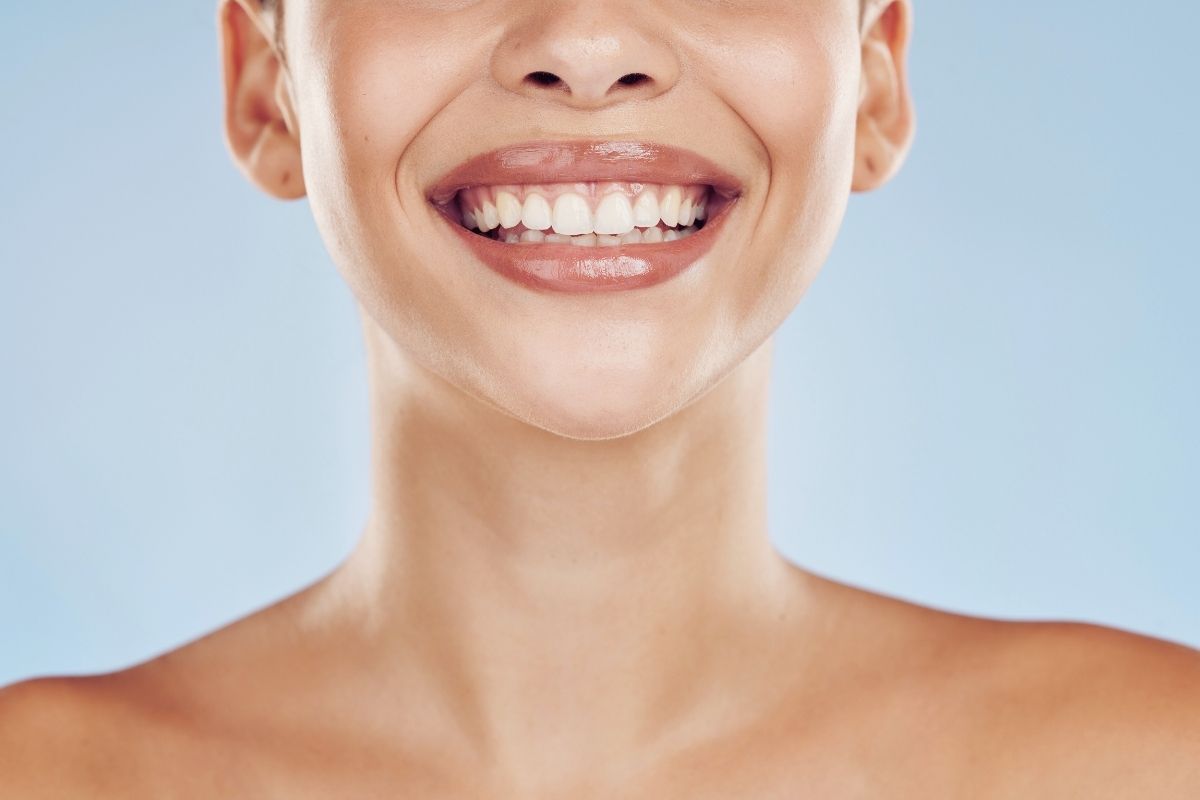
Chalky teeth can be challenging to live with, both functionally and aesthetically. The white, yellow, or brown patches and the softer enamel surface often create concerns about long-term oral health and appearance. Many people explore cosmetic options to improve the appearance of chalky teeth, and one of the most common questions is whether dental veneers are a suitable choice.
In many cases, this type of cosmetic treatment can be used for chalky teeth, but the decision depends heavily on the strength of the underlying enamel and the specific cause of the condition. A careful evaluation is essential so the final result is healthy, stable, and natural-looking.
This guide explains what chalky teeth are, how cosmetic coverings may help, and the important considerations to keep in mind before choosing this approach.
Understanding Chalky Teeth
The term chalky teeth is often used to describe enamel that did not develop normally. This appearance can come from several conditions, including dental fluorosis, molar hypomineralization, or enamel hypoplasia. Each affects tooth enamel differently, but they share similar characteristics.
Chalky teeth often appear:
- White, yellow, brown, or mottled
- Soft, porous, or crumbly
- More prone to chipping, wear, or sensitivity
The concern extends beyond appearance. When enamel does not mineralize properly, the tooth surface is less resilient than typical enamel. This can influence treatment decisions, especially for procedures that rely on strong adhesion.
How Chalky Teeth Affect Day-to-Day Comfort and Oral Health
Chalky enamel tends to behave differently from healthy enamel. Because the mineral structure is irregular, patients may experience issues that go beyond color concerns.
Some common challenges include:
- Temperature sensitivity due to thinner enamel
- Greater risk of surface wear when biting or chewing
- Higher likelihood of chipping or fractures under pressure
- Difficulty maintaining whiteness because porous enamel absorbs pigments easily
Understanding these functional changes helps determine which cosmetic and restorative options can provide the most reliable long-term outcome.
How Dental Veneers Can Improve Chalky Teeth
These thin, custom-made shells, made of porcelain or composite material, are placed on the front surfaces of the teeth to improve color, shape, and overall appearance. For individuals with chalky enamel, they can offer several benefits when the tooth is healthy enough to support them.
Key advantages include:
- Improved appearance: They can mask discoloration, patchiness, and surface irregularities.
- Added protection: A reinforced outer layer can help support mildly weakened enamel.
- Long-term stability: Porcelain options resist staining and maintain their appearance with proper care.
As a cosmetic dentist in Pflugerville, we offer dental veneers for cosmetic concerns when they are the safest and most appropriate option. This allows patients with chalky teeth to explore solutions that fit their specific needs.
Important Factors to Consider Before Getting This Treatment
While this cosmetic solution can work well for chalky teeth, it is not appropriate in every situation. A thorough examination helps determine the safest and most reliable route.
1. Severity of Enamel Weakness
- Mild to moderate cases: Often suitable because enamel still provides predictable adhesion.
- Severe enamel loss or softness: A full-coverage restoration may be a better fit due to weakened structure.
2. Bonding Requirements
Bonding relies on healthy enamel. When the enamel is chalky, we may use:
- Modified bonding agents
- Specialized surface preparation
- Additional steps to stabilize the bonding interface
These techniques support long-term retention.
3. Suitability of Alternatives
Before deciding, our cosmetic team may explore treatments such as:
- Dental bonding for reshaping or covering minor imperfections
- Whitening when stains are strictly surface-based
A careful diagnosis helps align the treatment with the patient’s oral health and cosmetic goals.
Risks or Limitations of Veneers for Chalky Teeth
Even when this cosmetic option works well, there are unique considerations for individuals with chalky enamel.
- Potential for Weaker Bond Strength: Altered mineral content can make adhesion less predictable despite advanced bonding strategies.
- Higher Risk of Future Chips or Cracks: If the underlying tooth remains structurally weak, it may be more prone to damage.
- Limited Reduction of Tooth Structure: Some chalky teeth cannot tolerate the preparation required. Minimal-prep or ultrathin designs may be considered, but they are not ideal for every case.
- Need for Thoughtful Long-Term Maintenance: Patients with enamel irregularities often benefit from personalized care instructions and consistent monitoring.
Who Makes a Good Candidate for This Cosmetic Procedure?
Not everyone with chalky teeth is an ideal candidate. The decision depends on several clinical and aesthetic factors.
You may be well-suited if:
- The enamel is mottled or discolored, but still strong
- There is enough thickness for bonding
- There are no signs of active breakdown
- Bite forces are moderate
- You want a more uniform, brighter appearance
You may need an alternative first if:
- Significant enamel loss is present
- There is ongoing sensitivity or a structural breakdown
- The enamel is too soft to support bonding
- The tooth requires full-coverage protection
This evaluation ensures that treatment is performed where it can offer predictable and natural-looking results.
Interested in learning your best options?
If you have chalky teeth and are exploring cosmetic improvements, our dental team is here to help. We welcome patients from Pflugerville and nearby communities, and we invite you to call our office with any questions at 512-989-3300. During your consultation, we will examine your teeth, discuss your goals, and explain the treatments that can provide the most reliable and natural results.
You can also quickly check our location on Google Maps to plan the easiest route before your visit.
Choosing the Safest and Most Effective Path for Your Smile
Chalky teeth can affect confidence and day-to-day comfort, but modern dentistry offers several ways to improve their appearance and strengthen long-term function. Veneers can be an excellent choice when the enamel is healthy enough to support them, but other options may be recommended depending on the condition of the tooth. A personalized evaluation is always the best starting point, so each decision reflects the unique needs of your smile.
FAQs
How Long Do Cosmetic Restorations Last on Chalky Teeth?
The lifespan of cosmetic restorations depends on the type of treatment, the condition of the enamel, and how well you care for your teeth. For patients with chalky enamel, restorations like veneers or bonding can last many years when properly maintained, but regular dental checkups and consistent home care are essential to monitor enamel health and ensure long-term results.
Can Veneers Cover Chalky White Spots?
Yes, veneers are an effective way to mask discoloration, including chalky white spots. By placing a thin, custom-made shell over the front surface of the tooth, veneers create a smooth, uniform appearance while improving overall smile aesthetics. Our team carefully evaluates each tooth to ensure the underlying enamel can support the restoration.
Do Veneers Stick Well to Weak Enamel?
Bonding veneers to weak or chalky enamel requires special techniques. While healthy enamel provides the strongest adhesion, our office uses advanced bonding materials and protocols to optimize retention on less dense enamel. During your consultation, we assess the tooth structure to determine whether a veneer or another restoration will provide a durable and reliable result.
How Should I Care for Teeth With Chalky Enamel to Prevent Further Issues?
Proper home care is critical for maintaining teeth with chalky enamel. We recommend gentle brushing with a non-abrasive fluoride toothpaste, regular flossing, and limiting acidic or highly pigmented foods. Regular dental checkups allow our team to monitor enamel integrity and provide preventive treatments when necessary to protect both natural teeth and cosmetic restorations.
Will Veneers Improve Both the Appearance and Strength of Chalky Teeth?
Veneers primarily improve the appearance of teeth by masking discoloration and irregularities. In some cases, they also provide an additional protective layer over mildly weakened enamel, helping reduce wear and minor chipping. However, for teeth with severely compromised structure, additional restorative options may be considered to ensure both strength and longevity.